The ube shortage of 2026 comes from tight supply of fresh purple yam in the Philippines, which in mid-August suspended exports of fresh ube and planting material. Processed ube, including ube powder, can still be exported.
For food manufacturers, the real risks of the ube shortage are higher raw material costs, longer lead times and more products that contain little real ube. This guide explains what changed and what to agree with your supplier to keep your ube supply steady.
What happened: the Philippine export suspension, explained
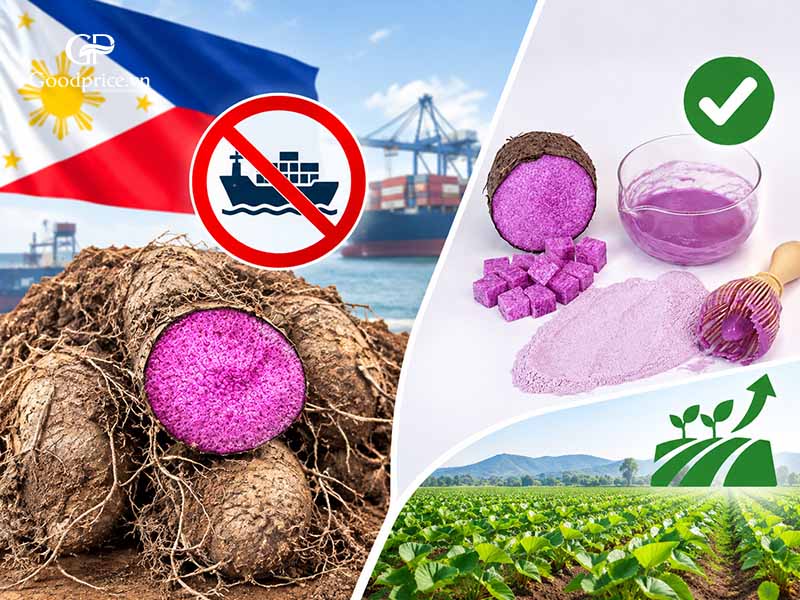
To ease an ube supply shortage at home, the Philippines has stopped exports of fresh ube and ube planting material for an indefinite period, while exports of processed ube continue. The main facts are:
- Who and when: The Bureau of Plant Industry, under the Department of Agriculture, put the suspension in place in mid-August 2026. It was announced on September 14, 2026.
- What is covered: Fresh ube and propagative planting material, whether meant for eating, planting or research.
- What is not covered: Processed ube in any form, such as powder, puree, jam and paste. On October 6, 2026, the Agriculture Secretary clarified that the rule targets unprocessed, untreated ube that could be used as planting material.
- Why: The country is short of planting material and wants to keep Philippine ube varieties from being grown abroad while it builds up its own production.
The Department of Agriculture has also set aside 300 million pesos to expand ube farming, starting with a plan to add 1,000 hectares in the first year.
What is causing the ube shortage?
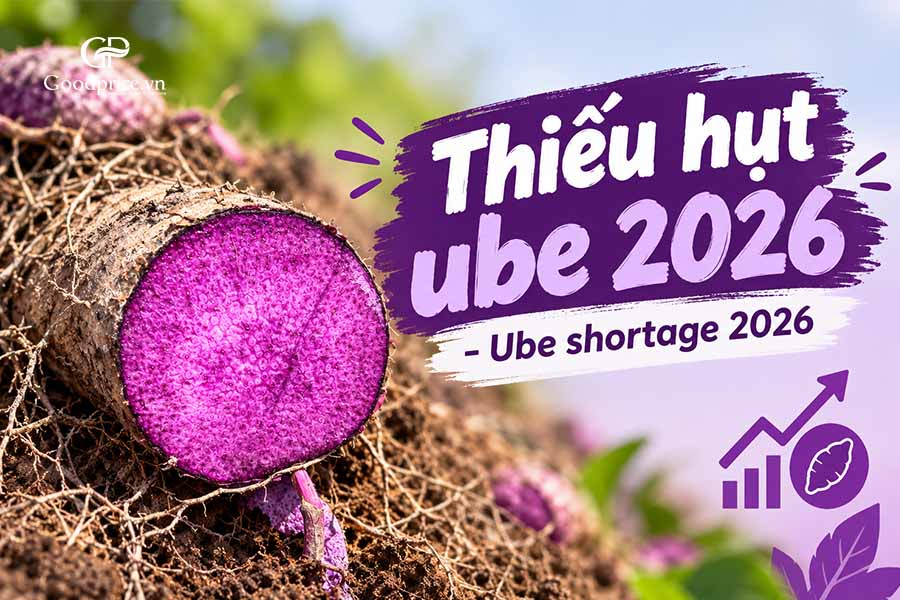
The ube shortage started before the suspension, and the suspension is a response to it. Several factors are pushing in the same direction:
- Falling production: Philippine ube output fell 1.63%, from 13,381 metric tons in 2024 to 12,483 metric tons in 2025.
- Weather: Erratic rainfall, longer droughts and stronger typhoons have damaged crops and made good planting material harder to keep.
- Slow to scale: Ube is grown from tubers, not seeds. Many small farmers sell their whole harvest instead of keeping tubers for the next planting, so new planting material is scarce.
- The ube craze abroad: Ube drinks and desserts have spread fast in export markets. In South Korea, major café, bakery and convenience store chains launched ube products from April 2026, and at least one chain had trouble securing Philippine ube powder before its launch.
- Rising exports: The Philippines exported almost 1.7 million kg of ube products in 2025, up 20.4% from 2024, and nearly half went to the US. The UK, Italy and the Middle East are also key buyers, so these markets compete for the same limited crop.
What the ube shortage means for ube powder buyers
Because powder is still exported, the ube shortage is less about access and more about cost, timing and quality. Expect these effects:
- Price pressure: When fresh ube is scarce, the raw material for powder costs more, and that can show up in your quotes.
- Longer lead times: Suppliers who rely on one origin may need more time to fill large or urgent orders.
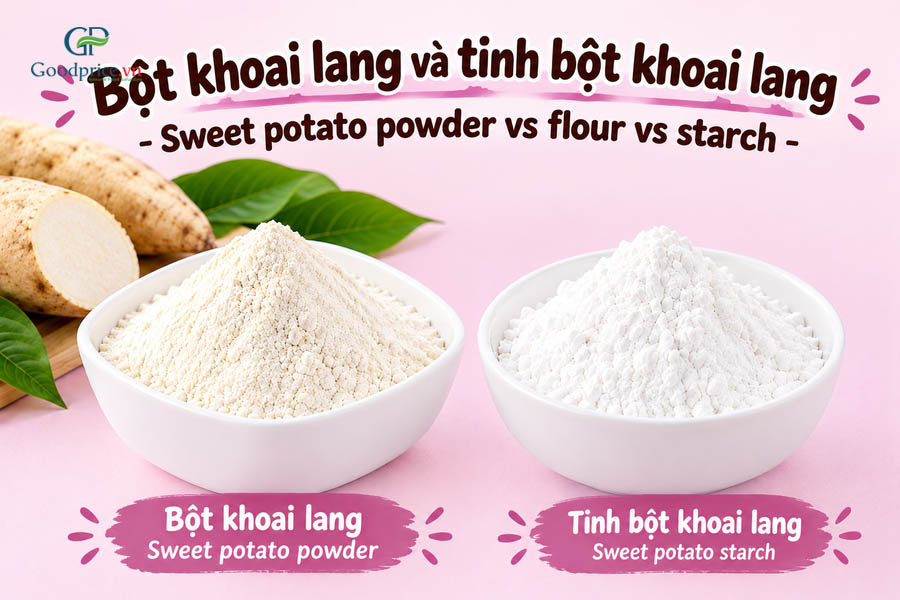
- Substitutes on the market: Manufacturers are turning to processed formats and other purple ingredients. Purple sweet potato is the most obvious substitute when color matters more than exact flavor.
- Labeling risk: Some products sold as ube may contain little real ube. If your label says ube, your ingredient has to be ube.
Alternative origins – Vietnam-grown ube
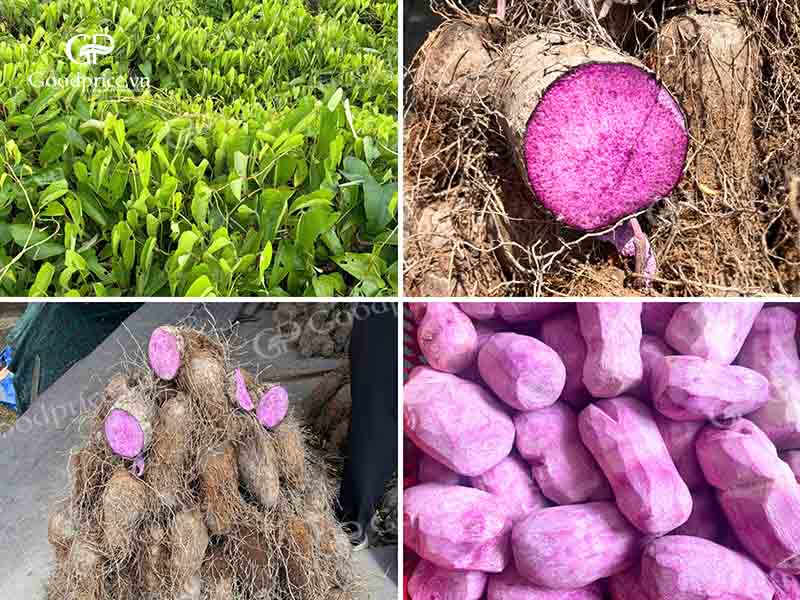
The Philippines is the best-known source of ube, but it is not the only one. Genuine ube, Dioscorea alata, is also grown in China and Vietnam, and Vietnam is a notable producer. Reports even note that the Philippines has been importing ube grown in Vietnam.
For buyers, a second origin spreads risk during an ube shortage. It also gives you a backup when one country changes its export rules or has a poor harvest.
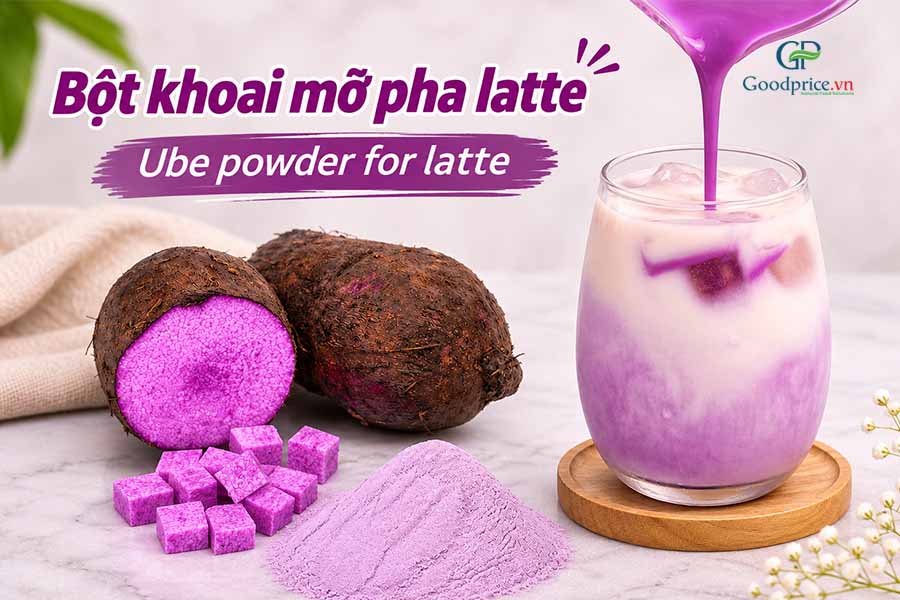
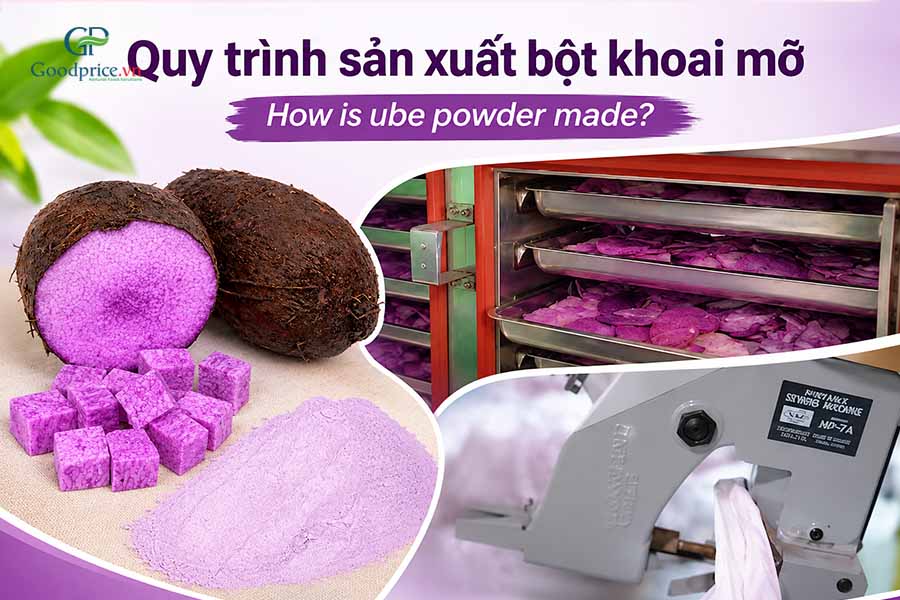
Goodprice Foods makes pure ube powder from purple yam (Dioscorea alata L.) grown in Vietnam. The tubers are washed, sliced, steamed and cold-dried, then milled to 80 to 120 mesh. Our capacity is up to 50 metric tons per month.
How to check you are getting real ube
During an ube shortage, checking what is in the bag matters more than ever. Ask for these points before you approve a product:
- Botanical name: The spec should state Dioscorea alata. Purple sweet potato is a different plant, Ipomoea batatas.
- Ingredient list: Look for 100% ube with no added color, flavor or filler.
- Color: Real ube powder has a natural purple tone. A very bright, neon purple can point to added color.
- COA and samples: Ask for a COA from a recent lot and test a sample in your own product before you order in volume.
If you are comparing powder with flavorings, see our guide on ube powder vs ube extract.
Securing ube powder supply – What to agree with your supplier
Supply is easier to secure before the ube shortage gets worse than in the middle of it. Put these points in writing:
- Volume plan: Share your expected yearly volume so the supplier can plan raw material, not just the first order.
- MOQ and trial orders: Start with a small order to test the product and the supplier. Goodprice Foods accepts orders from 10 kg.
- Packaging: Agree on bag size and labeling. We pack in 10, 20 or 25 kg bags, jumbo bags of 500 kg to 1 tonne, or private label packs from 100 g.
- Lead time: Get a delivery date in the quotation, and plan larger orders well ahead.
- Documents: Ask for the COA, certificate of origin, phytosanitary certificate and any halal certificate your market needs.
- Trade terms: Confirm the Incoterm and port. We quote EXW, FOB, CNF or CIF from Cat Lai Port in Ho Chi Minh City.
Conclusion
The ube shortage is a shortage of fresh ube and planting material, not a ban on ube powder. Buyers who check what is in the bag, spread their sourcing across origins and agree on volume, lead time and documents early will be better placed. If you are looking for a second source, review the spec of our pure ube powder and contact Goodprice Foods for a sample and a quotation.
Frequently asked questions
Did the Philippines ban ube powder exports?
No. The suspension covers fresh ube and planting material only. Processed ube, including powder, puree and jam, can still be exported.
Why is ube suddenly so popular?
Its natural purple color and mild, sweet flavor suit eye-catching drinks and desserts. Demand has grown quickly in export markets such as the US and South Korea.
Is ube just a Filipino thing?
No. Ube is the Filipino name for purple yam, Dioscorea alata, which is also grown in other countries, including Vietnam. The Philippines is still the best-known source.
Is ube illegal in the US?
No. Ube is not banned in the US. The current restriction is a Philippine rule on exporting fresh ube and planting material, and processed ube can still be shipped.
Can you get fresh ube in the US?
Fresh ube is hard to find in the US, and fresh exports from the Philippines are suspended. Processed forms such as ube powder, frozen grated ube and jam are easier to source.