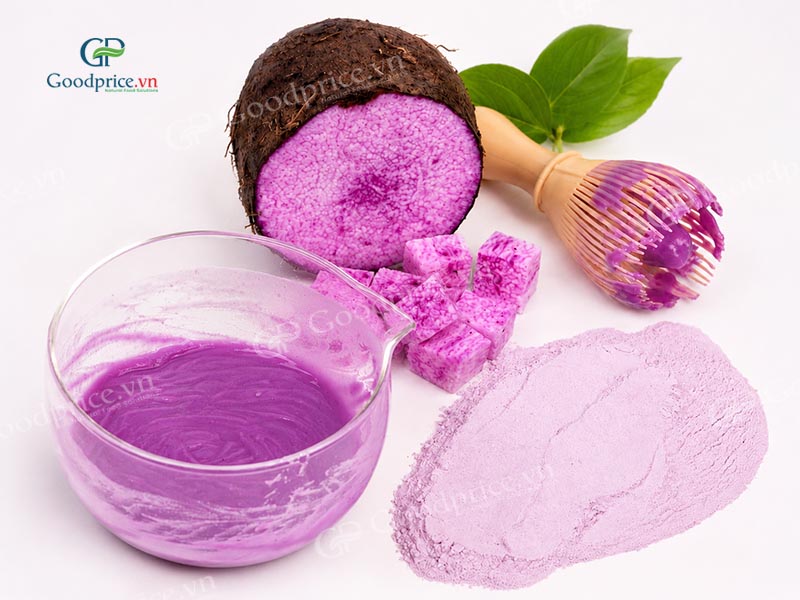
How is ube powder made? It is made from fresh purple yam (Dioscorea alata) that is cleaned, cooked, dried and ground into a fine powder. The drying step matters most, because it decides how much of the natural color, aroma and flavor the powder keeps.
This guide explains how ube powder is made step by step, compares the main drying methods and shows what buyers should check in color, fineness and moisture.
What ube powder is made from
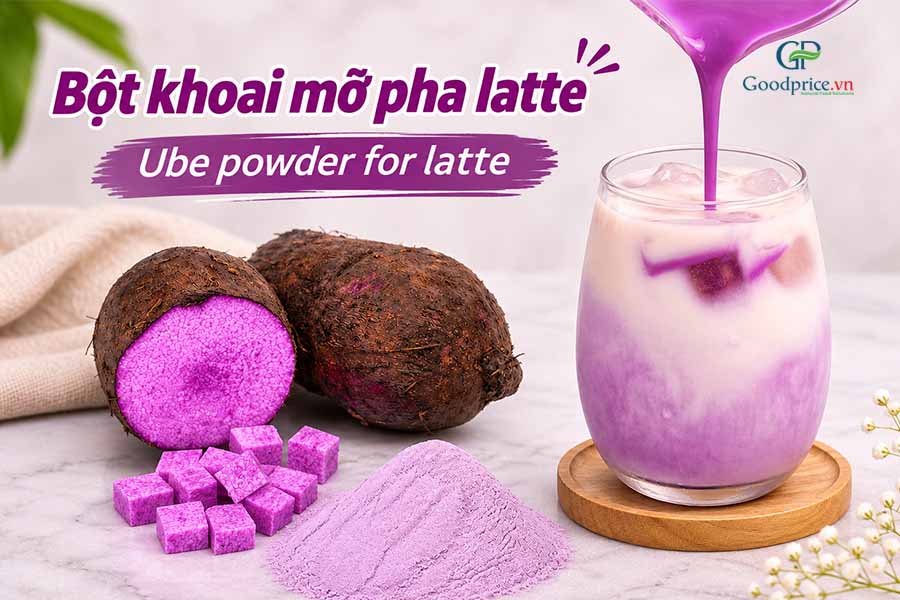
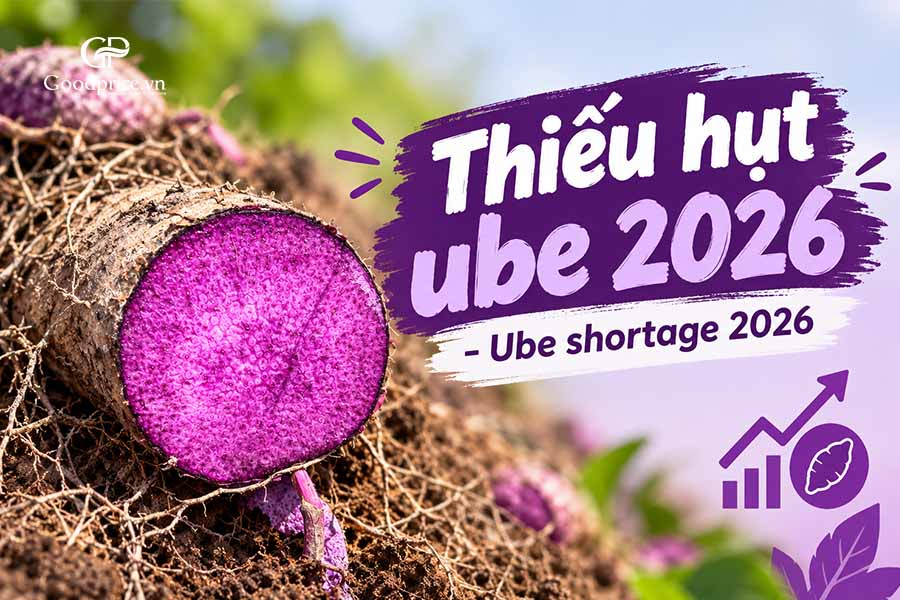
Pure ube powder, also sold as purple yam powder, is made from one ingredient: the tuber of purple yam, Dioscorea alata. Producers choose mature tubers with deep purple flesh and no rot or damage, since the raw material sets the color of the finished powder.
Fresh yam is about 70% water, according to USDA data for raw yam. In theory, about 3.3 kg of fresh yam holds 1 kg of dry matter. Trimming and processing losses push the real amount of fresh ube needed for each kilogram of powder higher, which is one reason ube powder costs more than many starch-based ingredients.
How is ube powder made? Step by step
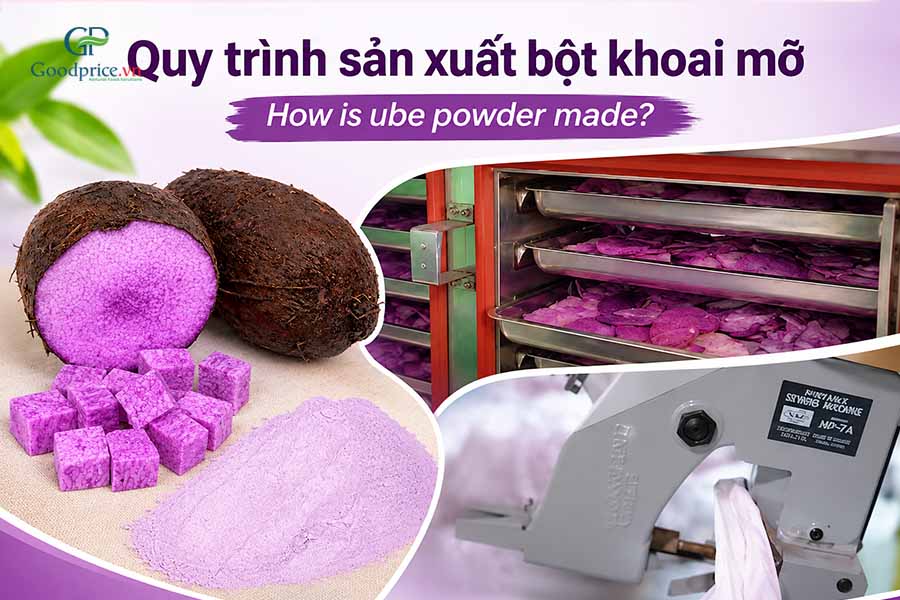
Most ube powder manufacturing follows the same six steps, from the field to the bag:
- Selection: Mature, undamaged tubers with even purple flesh are sorted for processing.
- Washing: The tubers are washed to remove soil and surface dirt.
- Preparation and cooking: The tubers are sliced, and in many processes peeled, then steamed or boiled until soft. Cooking softens the flesh and helps keep its color stable.
- Drying: Moisture is removed by one of several drying methods, which are compared in the next section.
- Milling and sifting: The dried ube is milled into fine powder and sifted to an even particle size.
- Testing and packing: Each lot is checked for moisture, color and food safety, then sealed in moisture-proof packaging.
The main differences between suppliers come from steps 3 and 4: whether the ube is cooked, how it is dried and whether anything is added along the way.
Drying methods for ube powder compared
The drying method is the biggest difference between ube powders on the market. These are the four methods you are most likely to see:
Criteria | Drum or roll drying | Freeze drying | Spray drying | Low-temperature (cold) drying |
How it works | Cooked puree is spread in a thin layer on steam-heated rotating drums, then scraped off as flakes | Ube is frozen, then the water is removed under vacuum | A liquid ube mix is sprayed into hot air and dries into fine particles | Ube is dried slowly with low-temperature air |
Color and aroma | Good, but high surface heat can dull the color if not well controlled | Very good | Depends on the formula, often lighter | Good, since heat is kept low |
Additives | Usually none | Usually none | Often needs a carrier such as maltodextrin to stop the powder from turning sticky | Usually none |
Cost | Lower, energy efficient | Highest | Lower to medium | Medium |
For a pure ube powder, the key question is not only the method but also whether the ingredient list still reads 100% ube. Spray-dried powders in particular should be checked for added carriers or sugar.
If you are looking for a pure, cold-dried ube powder from Vietnam, review the spec of our pure ube powder and contact Goodprice Foods for a sample.
How Goodprice Foods makes ube powder
At Goodprice Foods, ube powder is made from purple yam (Dioscorea alata L.) grown in Vietnam, with no added color, flavor or carrier. Our process follows these steps:
- Washing: The tubers are cleaned on an automated washing line.
- Slicing and steaming: The tubers are sliced and steamed to help preserve their natural purple color.
- Cold-drying: The cooked ube is dried at a low temperature to keep its color and aroma.
- Milling and sieving: The dried ube is milled and sieved to 80 to 120 mesh.
- Moisture check and packing: Moisture is checked to 10% or less before the powder is packed in 10, 20 or 25 kg bags or jumbo bags.
Our ube powder is produced in an ISO 22000:2018 certified, FDA-registered facility, with a capacity of up to 50 metric tons per month.
Ube powder color: what real ube powder looks like
Real ube powder has a natural violet to purple tone. The exact shade depends on the tuber, how it is cooked and how it is dried, so it can vary slightly from lot to lot.
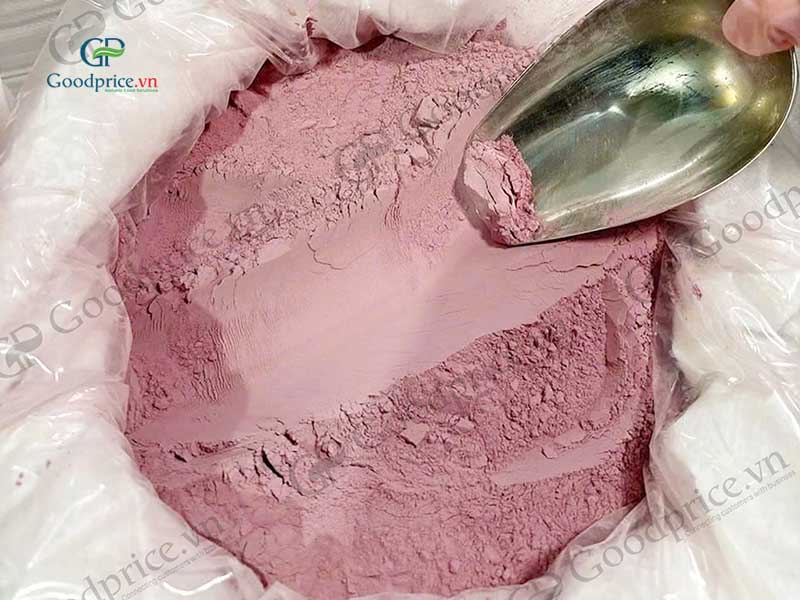
Use these points to judge the color of a sample:
- Natural purple: A muted violet or lavender shade is normal for pure ube powder.
- Neon purple: A very bright, even neon shade can point to added color.
- Gray or brown tint: This can mean the powder was dried at too high a heat or stored badly.
- Different plant: Purple sweet potato powder can look similar, but it comes from Ipomoea batatas, not Dioscorea alata. Check the botanical name on the spec.
If you are comparing ube powder with flavorings, see our guide on ube powder vs ube extract.
Fineness, moisture and shelf life of ube powder
Once ube powder is made, three numbers on the spec tell you most about how it will perform:
- Fineness: Measured in mesh. A finer powder blends more smoothly into drinks and batters. Our guide on how ube powder fineness affects finished products explains this in more detail.
- Moisture: Lower moisture means less risk of caking and a more stable shelf life.
- Shelf life: Goodprice Foods ube powder keeps for 12 months from the packaging date when stored in a cool, dry place away from direct light.
Ube powder can also turn thick when mixed with liquid. If you are wondering whether that is normal, see does ube powder become slimy.
Frequently asked questions
Is ube powder real ube?
Pure ube powder is real ube, made only from dried purple yam (Dioscorea alata). Check the ingredient list and botanical name, since some products mix in purple sweet potato, color or fillers.
Is ube powder the same as ube extract?
No. Ube powder is the dried, milled root, while ube extract is usually a liquid flavoring, often with added color. Powder gives body, color and flavor, and extract mainly adds aroma.
Is ube powder still healthy after drying?
Ube powder keeps the fiber, starch and natural purple pigments of the root. Some heat-sensitive vitamins can drop during cooking and drying, so the powder is not identical to fresh ube.
Is ube healthier than matcha?
They are hard to compare. Ube is a starchy root that brings carbohydrates, fiber and color, while matcha is a ground tea leaf that contains caffeine.
How long does ube powder last?
Goodprice Foods ube powder has a shelf life of 12 months from the packaging date. Keep it sealed in a cool, dry place away from direct light.