Ube powder vs ube extract comes down to the raw material: ube powder is dried purple yam, while ube extract is a concentrated liquid flavoring that often contains little or no real ube.
Below, we compare their flavor, color and texture and show which one fits lattes, baking and ice cream.
What is ube powder?
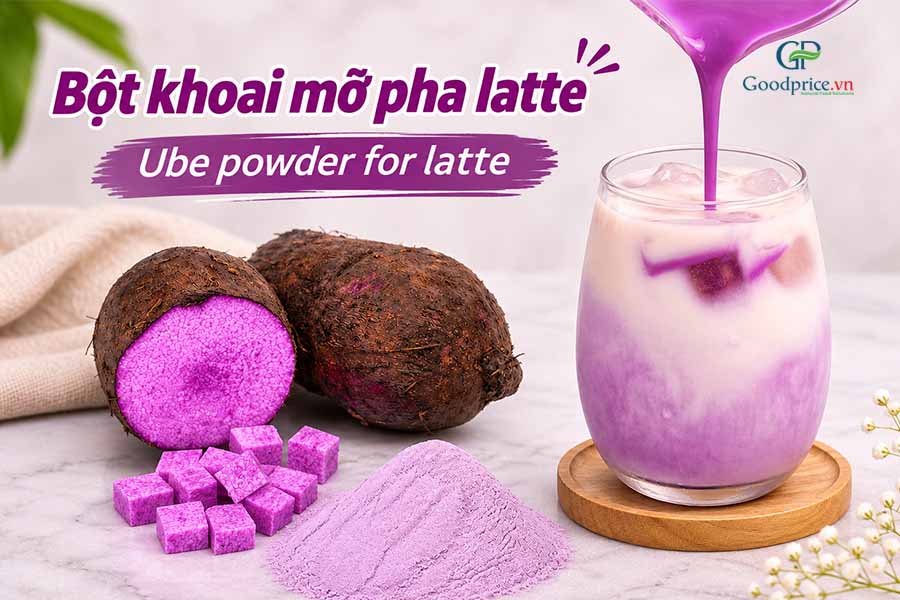
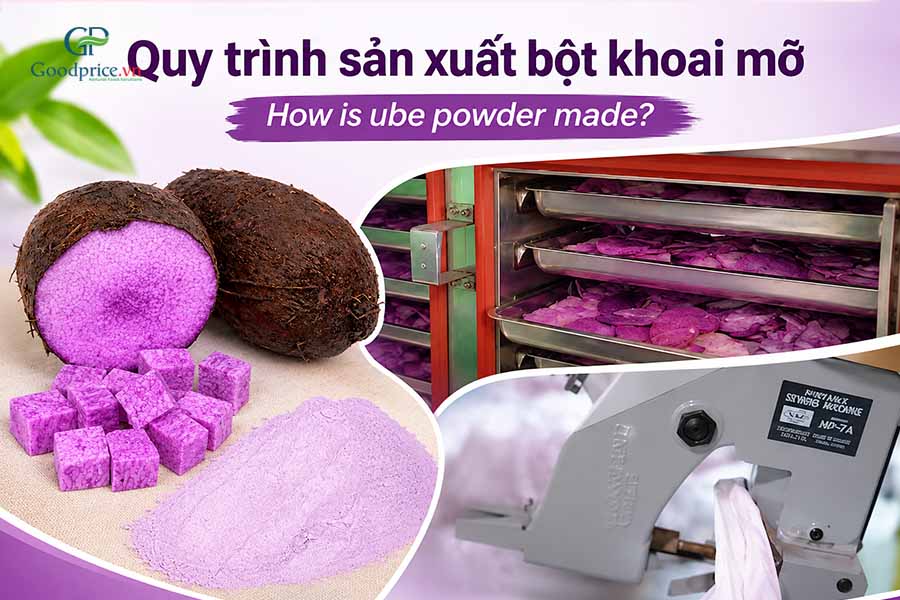
Ube powder is purple yam (Dioscorea alata) that has been cooked, dried and milled into a fine powder. A pure powder has one ingredient, purple yam, with no added sugar or color.
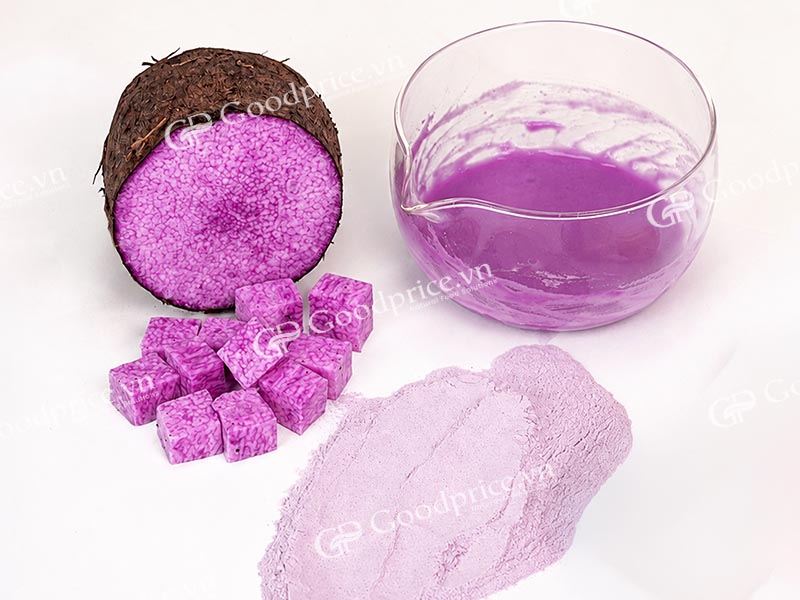
Because it is the whole root, ube powder brings flavor, natural color and body at the same time. Its taste is mild, nutty and slightly sweet, and its starch and fiber thicken whatever you mix it into. That whole-root makeup is the main difference in any ube powder vs ube extract comparison.
What is in ube extract?
Ube extract is a concentrated liquid additive, usually measured in drops like vanilla extract. There are two main types on the market: extracts made from real ube that is cooked and concentrated, and synthetic flavorings combined with food coloring.
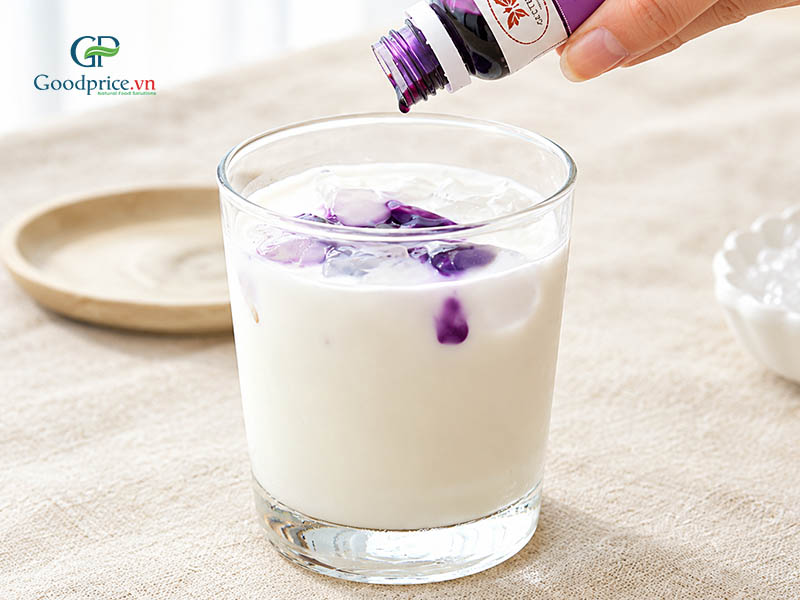
The ingredient list of one widely sold ube flavor in the US breaks down like this:
- Flavor compounds: Nature-identical ube flavor (lactones, yam oils, yam extract).
- Carriers: Water and propylene glycol, which holds the flavor.
- Food colors: FD&C Red 3, Red 40 and Blue 1. The bright purple of this product comes mainly from these synthetic colors, not from the natural pigments of the yam.
Ube powder vs ube extract at a glance
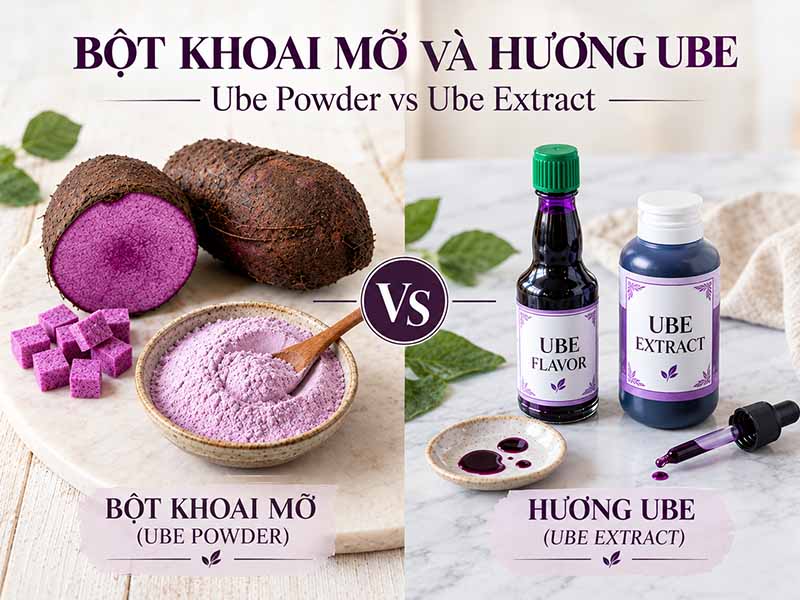
Here is how ube powder vs ube extract compares on the points that matter in a recipe or on a production line:
Feature | Ube powder | Ube extract |
What it is | Dried, milled purple yam | Concentrated liquid flavoring |
Real ube content | 100% in a pure powder | Often low or none, check the label |
Color source | Natural anthocyanins from the yam | Usually synthetic dyes |
Flavor | Mild, nutty, gently sweet | Strong, concentrated aroma |
Texture | Adds body and thickness | Adds no body |
Typical dose | Grams per serving | A few drops per serving |
Color behavior | Shifts with pH | Set by the added dye |
Best for | Lattes, baking, halaya, ice cream | Frosting accents, clear drinks, flavor boosts |
Ube powder vs ube extract for a latte
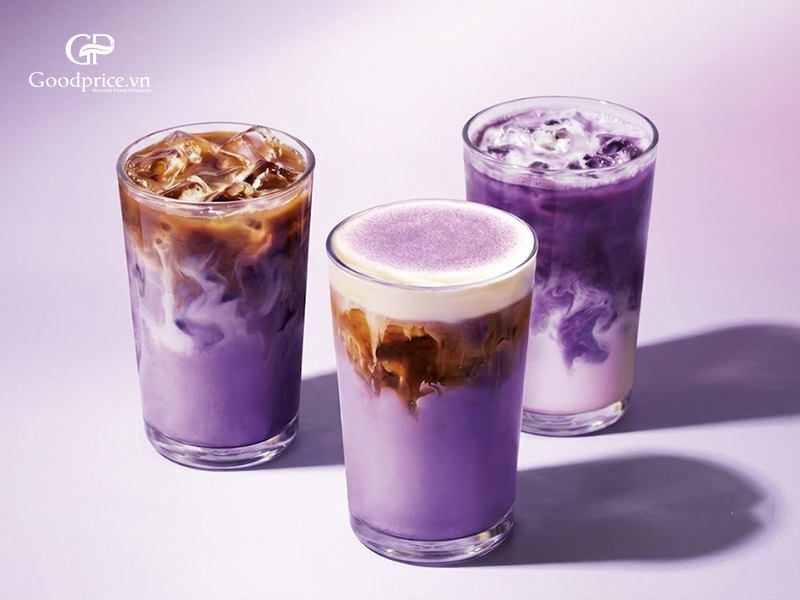
For a latte, the ube powder vs ube extract choice depends on how you position the drink and the experience you want to give your customers:
- Choose pure ube powder when: You want a natural, clean-label drink. Powder brings the rustic, nutty taste of real yam, a soft pastel purple and a smooth, natural body to the milk base.
- Choose ube extract when: You need fast preparation, a bright purple drink and a strong aroma without changing the thickness of the milk.
- Combine both: Use powder as the base for flavor, body and natural fiber. Then add a single drop of extract to lift the aroma.
Ube powder vs ube extract in baking and ice cream
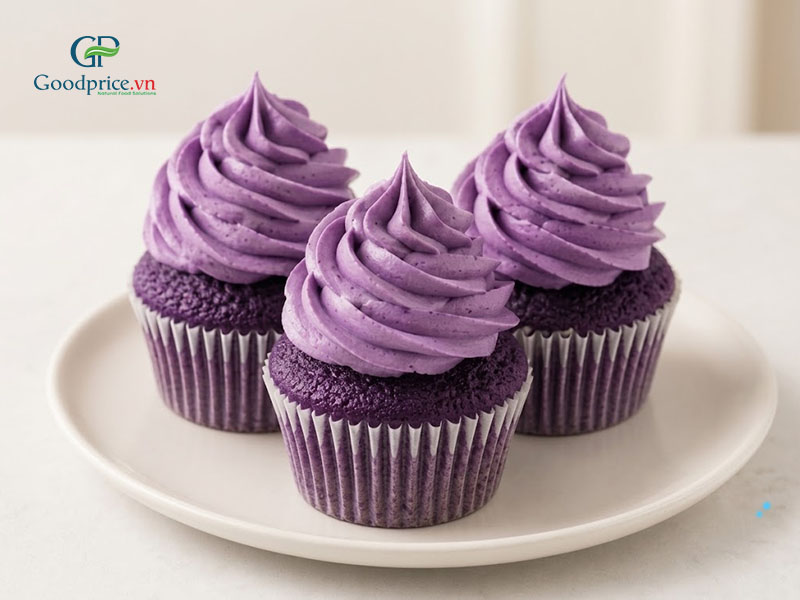
In baking and frozen desserts, powder usually wins on flavor and texture:
- Cakes and bread: Powder adds real ube taste and works with the flour, although its natural color can shift toward grey or green in alkaline batters with a lot of baking soda.
- Ice cream and fillings: The starch in the powder helps thicken the base and gives a smoother body.
- Frosting and icing: Extract is handy here, since a few drops add color and aroma without changing the texture.
Can you use ube powder instead of ube extract?
Yes, but you cannot swap them one for one. They differ in strength and in how much liquid and body they add:
- Flavor ratio: About 1 teaspoon of extract gives a flavor intensity similar to about 2 tablespoons of powder.
- Adjust the liquid: Powder absorbs moisture, so you may need to add a little more liquid to the recipe.
- Swapping powder for extract: If a recipe was built on powder, you may need extra flour or starch to replace the body the powder gave.
- Expect a softer color: Natural ube color is gentler than dyed extract and changes with pH.
How to check a label for real ube
When comparing ube powder vs ube extract from different suppliers, the label tells you more than the product name:
- Look at the ingredient order: Ingredients are listed from most to least. If ube or purple yam is not near the top, there is not much of it in the product.
- Check for added colors: Red 40, Blue 1 and similar dyes mean the purple does not come from the yam.
- Ask for a specification sheet: For production, ask your supplier to confirm the raw material and that the powder is 100% purple yam with no added sugar, flavor or color.
- Name your product honestly: If you use flavoring rather than real ube, describe it as ube flavored. Customers who know ube can taste the difference.
If you buy in bulk, see how we handle ube powder export from Vietnam.
Conclusion
The ube powder vs ube extract choice comes down to what you want: real purple yam with natural color and body, or a strong aroma in a few drops. For products sold as real ube, powder is the safer and more honest choice, and reading the ingredient list is the quickest way to tell the two apart.
If you are sourcing for production, take a look at our pure ube powder, made from 100% purple yam with no added color.
Frequently asked questions
Is ube extract the same as ube flavoring?
Usually, yes. Both names tend to describe a liquid flavoring, and either one may or may not contain real ube, so check the ingredient list.
Which is better, extract or powder?
In the ube powder vs ube extract choice, powder is better for real flavor, natural color and body. Extract is better when you only need a strong aroma or bright color in a small dose.
Can you make ube extract from ube powder?
Not the clear liquid you buy in a bottle. Cooking ube powder with water or milk gives a concentrated paste that adds real flavor and color instead.