Purple sweet potato powder benefits come from three natural components in the root: anthocyanin pigments, dietary fiber and minerals such as potassium. Each benefit rests on a different level of scientific proof, so this article pairs every effect with the specific research behind it.
What is purple sweet potato powder?
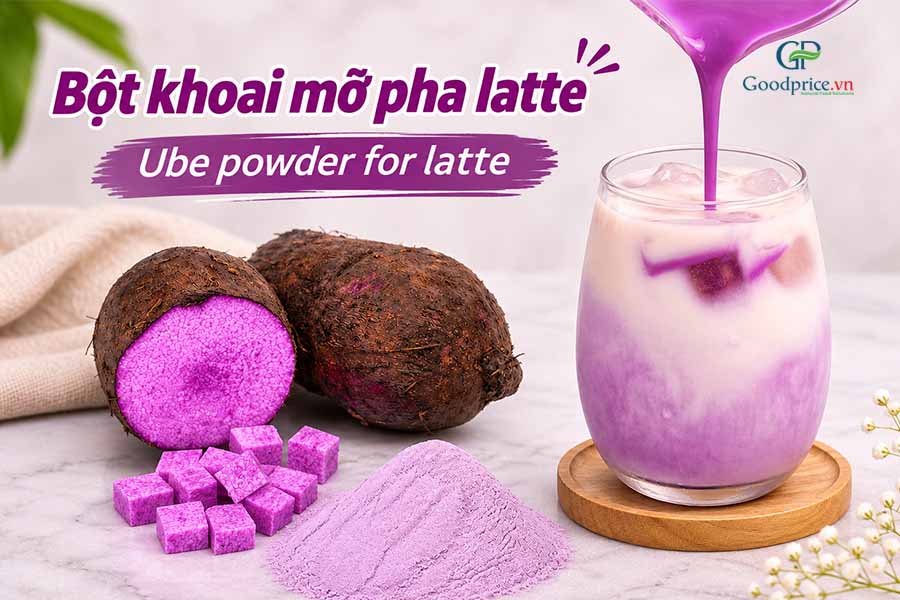
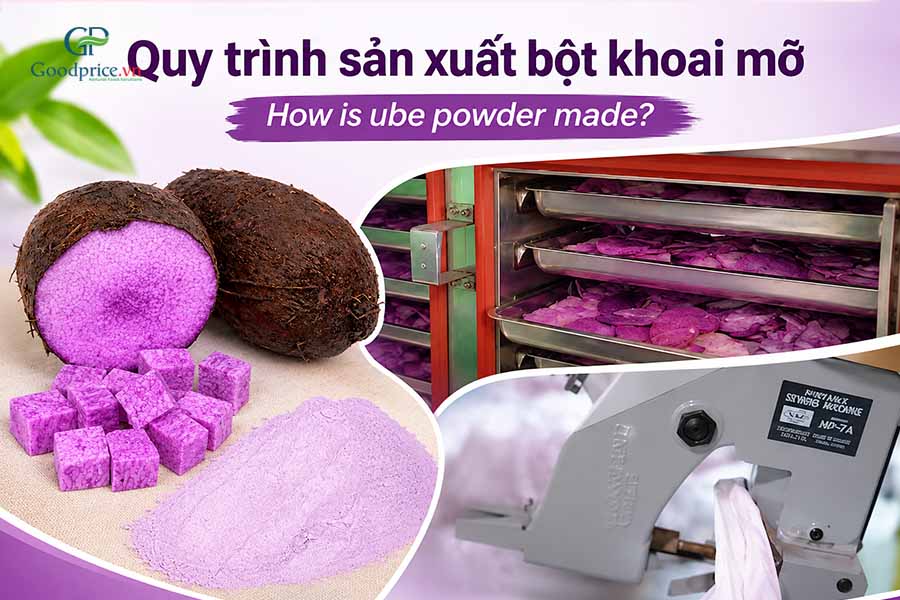
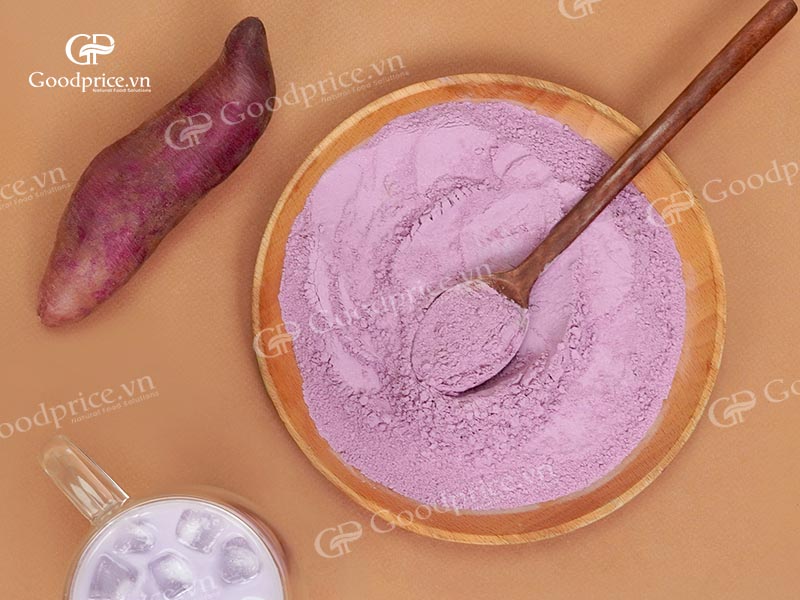
Purple sweet potato powder is made from the purple-fleshed root of the sweet potato (Ipomoea batatas). The fresh roots are washed, sliced, dried and finely milled, keeping the starch, fiber and natural anthocyanin pigments intact.
It is a whole vegetable powder, not a concentrated extract that keeps only the color.
Nutrient | Reported amount | Role in processing |
Carbohydrate | 94.1 g per 100 g of powder | Works as a starch source in the recipe |
Dietary fiber | 15.8 g per 100 g dry weight | Raises fiber content and supports nutrition labeling |
Protein | 2.4 g per 100 g of powder | Low, not a protein source |
Anthocyanins | About 8.4 mg per 100 g in one tested sample | Natural colorant and the source of antioxidant value |
Anthocyanin content varies widely from one powder to another. The powder in a study by researcher Chiang measured about 8.4 mg per 100 g, while color-rich varieties and whole-peel powders can reach many times that level. You cannot judge pigment strength by eye, so rely on a lab report.
Purple sweet potato vs purple potato vs ube
Purple sweet potato, purple potato and ube are three different plants from three plant families: purple sweet potato is Ipomoea batatas, purple potato is a variety of the common potato (Solanum tuberosum), and ube is purple yam (Dioscorea alata).
Name | Plant | What it means for you |
Purple sweet potato | Ipomoea batatas, morning glory family | The subject of this article |
Purple potato | Solanum tuberosum, nightshade family | Its studies do not transfer to sweet potato |
Ube | Dioscorea alata, true yam family | Different flavor, different pigment behavior |
Data from one plant cannot be used for another. Some of the most visible articles on purple potato benefits actually describe the common potato. Ube powder is also sold under similar names, and some labels list both. Check the botanical name on the spec sheet before you buy.
What Are the Benefits of Purple Sweet Potato Powder?
The clearest and most consistent benefit of purple sweet potato powder is antioxidant activity from its anthocyanins. Most other effects have only been tested in test tubes or on animals. The best-known human trials used a drink made from concentrate, not the powder itself.
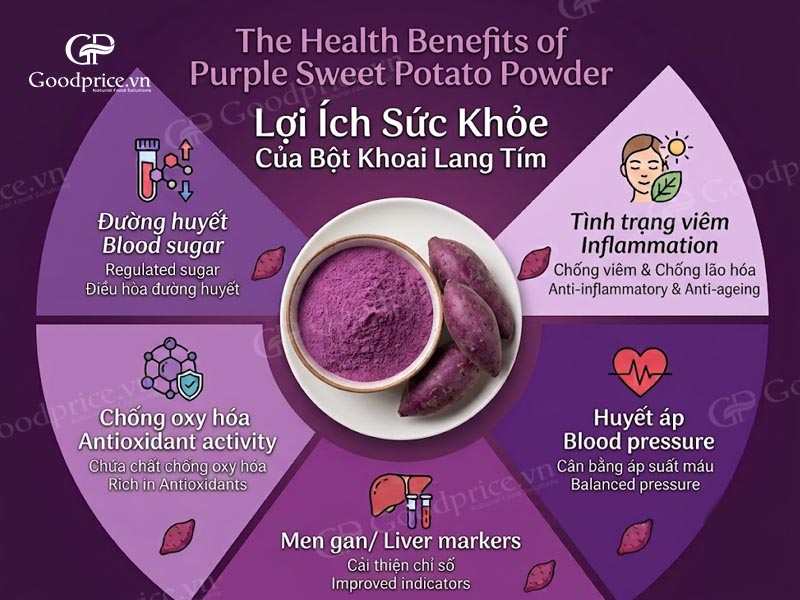
Benefit | Strongest evidence so far | What was studied |
Antioxidant activity | Lab and animal studies | Anthocyanins neutralizing free radicals and lowering oxidative stress markers |
Blood sugar | Animal studies | Lower fasting glucose in mice given purple sweet potato anthocyanins |
Inflammation | Animal studies | Fewer inflammatory markers in animal models of arthritis and colitis |
Liver markers | Small human trial with placebo | Lower liver enzyme GGT in 38 men over 8 weeks |
Blood pressure | Small human trial, no control group | Lower systolic pressure in 20 adults after 4 weeks |
Eye health | Animal study | Fewer dry eye signs in rats fed a high-fat diet with 5% powder |
Brain | Animal studies | Better memory scores in mice on a high-fat diet |
Effects on blood sugar, inflammation, eye health and the brain have so far been seen only in animal studies, usually with purified extracts at doses far above a normal serving. They are useful research leads, not proven benefits for people.
Antioxidant protection from anthocyanins
Anthocyanins give the root its purple color and act like a shield that clears away free radicals before they damage cells. Most anthocyanins in purple sweet potato are acylated, a structure that makes the pigment more heat-stable than the pigments in many berries and other fruits.
In the lab, purple sweet potato extract helped liver cells produce less of an enzyme that generates free radicals and switched on the cells’ own defense system. This activity can drop sharply once the pigments pass through human digestion.
Liver markers and blood pressure
The clearest human data comes from drinks made from anthocyanin-rich concentrate, not from the powder:
- Liver enzymes: In a study in Japan, 38 men drank two bottles of purple sweet potato concentrate a day for 8 weeks, each bottle with about 200 mg of anthocyanins. Their GGT liver enzyme fell significantly compared with the placebo group.
- Blood pressure: In a 4 – week trial of 20 adults, systolic blood pressure dropped by day 29 but rose again after a 2-week break. This trial had no control group.
Does purple sweet potato powder keep its color in processing?
Yes. Purple sweet potato powder holds its color well in acidic and neutral foods. The final shade depends on the pH of the mix and how long it is heated.
Color shifts with pH
Anthocyanins change color as the mix becomes more acidic or more alkaline:
pH level | Color you will see |
pH 1 (strongly acidic) | Bright red |
pH 4 to 6 (mildly acidic) | Red-purple to pink-purple |
pH 7 (neutral) | True purple |
pH 8 to 10 (mildly alkaline) | Blue or grey-blue |
pH 11 and above (strongly alkaline) | Green turning to yellow |
The exact cut – off points differ slightly between studies. In the kitchen and on the production line, the pattern looks like this:
- Acidic bases such as yogurt and fruit juice pull the color toward eye-catching pink or red-purple.
- Neutral bases such as fresh milk and bread dough keep a true purple.
- Alkaline bases such as batters with a lot of baking soda can turn the crumb grey-green or blue. Measure and adjust the pH early to get the color you want.
Heat, light and storage
High heat and warm storage are the main reasons purple color fades, while room light has little effect.
In lab tests at 80 °C, the pigment lasted about 2.7 times longer in a strongly acidic solution (pH 1) than in an alkaline one (pH 9). Stored at 4 °C in the dark, it kept more than 80% of its anthocyanins after 15 days.
To keep the color stable, finish products at a slightly acidic pH, cut down high-heat cooking time and store the powder somewhere cool and dry.
How to use purple sweet potato powder
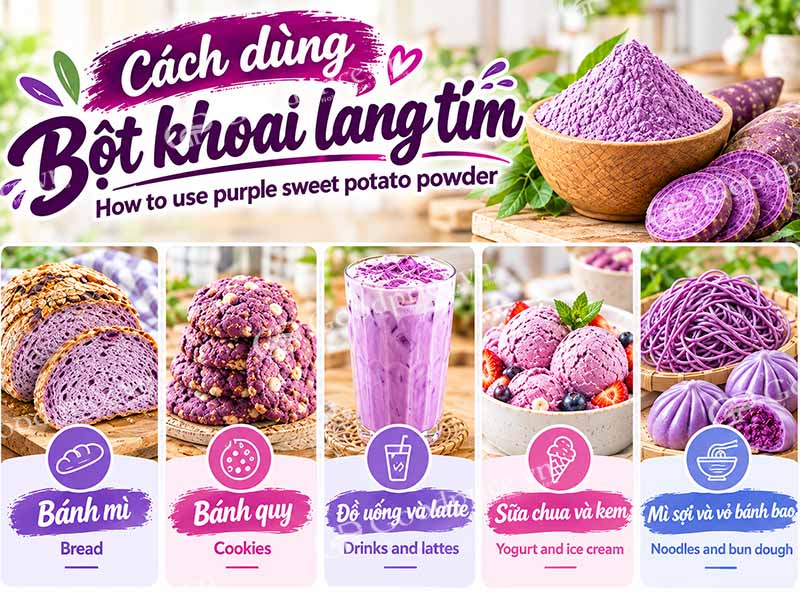
Purple sweet potato powder partly replaces wheat flour and adds natural color in five main product groups:
Product line | Role of the powder | Tested level or note |
Bread | Natural purple color and extra fiber | 10% of the flour, tested with good sensory acceptance |
Cookies | Color and partial flour replacement | 10 to 20% of the flour, tested without loss of quality |
Drinks and lattes | Pastel purple color | Acidic drinks shift toward pink |
Yogurt and ice cream | Natural pink-purple tones | Low pH gives the pink side of purple |
Noodles and bun dough | Signature purple color | Avoid strongly alkaline salts such as lye water |
Three technical tips when building a formula:
- Control the pH: Check the pH of the mix before heating so the crumb does not turn grey by surprise.
- Pick the right fineness: Finer powder disperses evenly in drinks and smooth batters, while coarser powder can leave visible specks.
- Account for the starch: The powder is over 90% carbohydrate, so reduce the wheat flour by the same amount you add.
Who should be careful with purple sweet potato powder?
Purple sweet potato powder is an ordinary food, a dried vegetable. Three groups should still ask a doctor or dietitian before using it regularly or in large amounts:
- People with kidney disease on a potassium limit: Drying concentrates the potassium, so the powder needs to count toward the daily potassium limit.
- People taking blood-sugar-lowering medication: The powder is still mostly starch, with more than 90 g of carbohydrate per 100 g, so it raises blood sugar like any other starch. Count it as part of the meal’s main starch to avoid throwing blood sugar off.
- Pregnant women and people on long-term treatment: Be careful with high-dose concentrated supplements made from purple sweet potato.
What to check before you source purple sweet potato powder
Businesses and bakeries should ask the manufacturer for five specifications. The most important is a certificate of analysis showing anthocyanin content, because it confirms both color quality and antioxidant value. Drying method, moisture, particle size and food safety certification complete the picture. The full checklist is in Criteria for choosing purple sweet potato powder as a safe production ingredient.
Frequently asked questions
What happens to your body when you eat purple sweet potatoes?
Your body takes in healthy starch, fiber, potassium and anthocyanin, a natural antioxidant. Most of the extra effects seen in research come from animal studies.
What organ does purple sweet potato help?
Research has looked at how anthocyanins affect the liver, eyes, blood vessels and digestive tract. Most of these findings come from animal studies, with only small human trials on the liver and blood pressure.
Does purple sweet potato powder taste sweet?
It keeps the gentle sweetness and earthy aroma of dried sweet potato. It is not sharply sweet like powders with added refined sugar.
Why does baking with purple sweet potato powder turn blue or green?
The batter is alkaline, usually because of too much baking soda. Use less baking soda or add a little lemon juice to keep the purple.
How to use purple sweet potato powder?
Replace part of the flour in baked goods, where studies tested 10% in bread and 10 to 20% in cookies. It also colors drinks, yogurt and ice cream.
Does purple sweet potato powder have side effects?
Used as an ordinary cooking ingredient, it is a dried vegetable, not a drug. People with kidney disease or on blood-sugar-lowering medication should ask a doctor first, because the powder adds both potassium and carbohydrate.
Conclusion
Purple sweet potato powder has earned its reputation as a source of antioxidant pigments and natural color. Most of its health benefits, however, have only been shown in animal studies. Its most reliable value in food production is a stable purple color in acidic and neutral products. To request a free sample or a quote, visit the Goodprice Foods pure purple sweet potato powder page.
This article is for general information only and is not medical advice. Consult a qualified health professional before changing your diet or using any supplement. Food manufacturers should verify any health claim against the regulations of their target market.