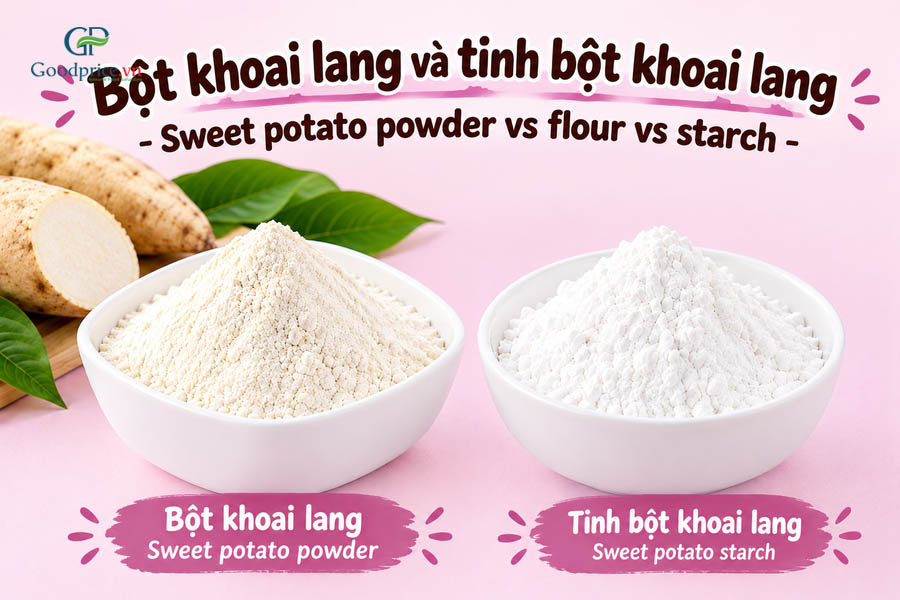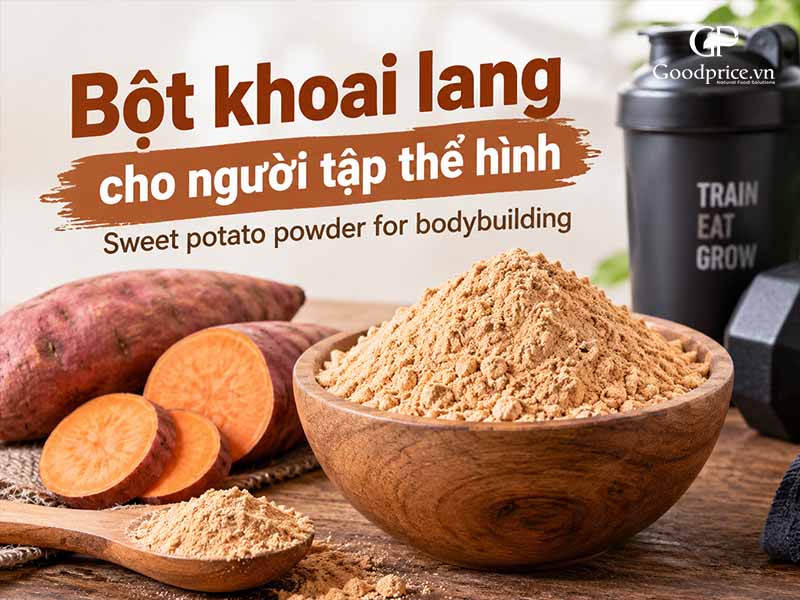
Dehydrated sweet potato powder is sweet potato dried to low moisture and milled into a fine powder. The drying method behind it decides the color, flavor, nutrient retention and price you get.
This guide explains what each drying label means, compares them side by side and lists what to check in your spec.
What is dehydrated sweet potato powder?
Dehydrated sweet potato powder is made by washing, cutting and often cooking sweet potatoes, drying them until most of the water is gone, then milling them into a fine powder. It keeps the starch, fiber and minerals of the root in a shelf-stable form that is easy to store, ship and dose.
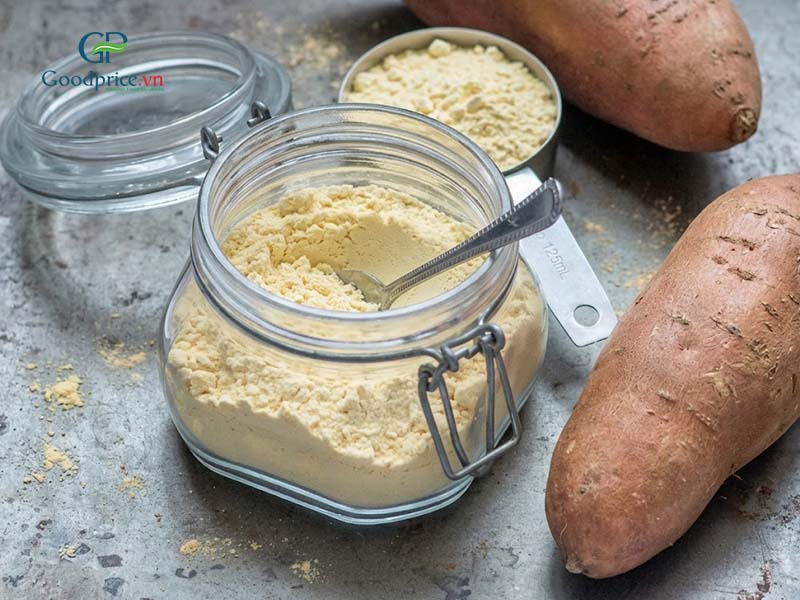
You will see it sold as dehydrated sweet potato powder or dried sweet potato powder. Both names mean the same thing. What really sets one product apart from another is how it was dried.
What each drying label means
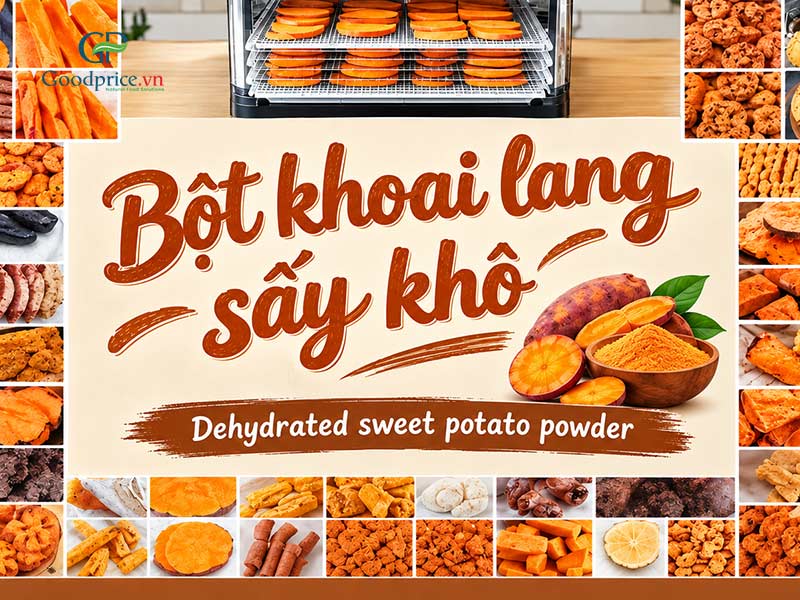
Most supplier pages use one of these labels:
- Dehydrated or dried: A general term that does not tell you which drying method was used.
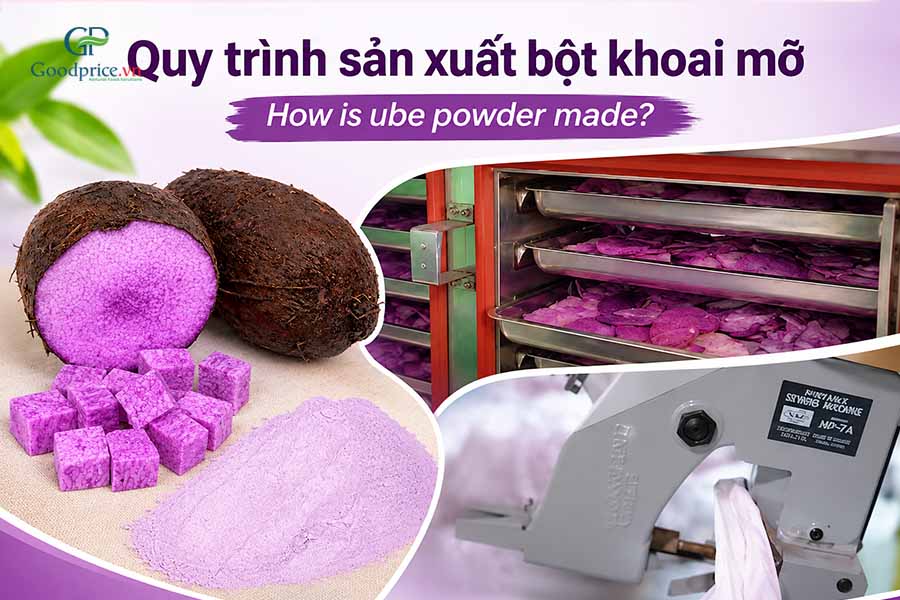
- Air-dried (hot air): Slices or pieces are dried with heated air, usually between 40 and 80 °C for 4 to 28 hours. The equipment is simple and widely used, but long heat exposure can darken the powder.
- Drum-dried: Cooked, mashed sweet potato is spread in a thin layer over steam-heated rotating drums. It dries quickly into thin flakes, which are then milled. The method works well for purees, but the color can darken if the temperature is not well controlled.
- Freeze-dried: The sweet potato is frozen and its water is removed under vacuum. Freeze dried sweet potato powder keeps color and nutrients best, but it takes the longest and uses the most energy.
- Cold-dried: The sweet potato is dried at low temperature with dry, dehumidified air, usually in a heat pump dryer working at about 30 to 60 °C. It is gentler than hot air drying and limits oxidation, which helps protect color and aroma.
Dehydrated sweet potato powder drying methods compared
Here is how the main methods behind dehydrated sweet potato powder compare:
Method | Typical temperature | Color | Beta-carotene retention | Main trade-off |
Hot air | 40 to 80 °C | Darker | Lowest, losses of 43 to 60% reported | Simple equipment, long heat exposure |
Drum drying | Steam-heated drums | Can darken | Varies with temperature | Energy-efficient for purees |
Cold drying | About 30 to 60 °C | Lighter than hot air | Generally better than hot air | Gentle heat, limits oxidation |
Freeze drying | Below 0 °C under vacuum | Closest to fresh | Highest | Most energy and longest drying time |
In one study on an orange-fleshed variety, hot air drying cut beta-carotene by about 53%, while freeze drying cut it by about 28%. Exact results depend on the variety, the pretreatment and the drying settings.
Yellow or white dehydrated sweet potato powder?
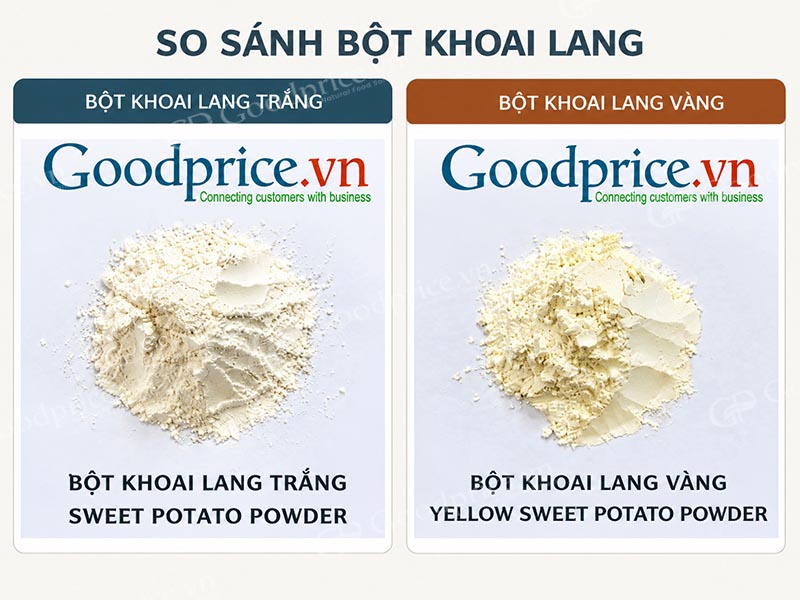
Beyond the drying method, the flesh color of the sweet potato changes how the powder behaves in a recipe:
- Yellow sweet potato powder: Has a natural yellow color and a distinctive sweet potato aroma. It suits bakery, drinks and snacks where you want a warm color without added coloring.
- White sweet potato powder: Has a natural ivory color and a mild aroma. It works as a neutral base in recipes and blends where you do not want to change the color of the product.
Purple sweet potato powder is a separate product used mainly for natural purple color.
What to include in the technical specifications
When you order dehydrated sweet potato powder, ask the supplier to confirm these points in writing:
- Drying method: Ask which method is used, since dehydrated alone does not tell you.
- Moisture: Lower moisture means a more stable powder. Ask for the maximum value and how it is tested.
- Particle size: State the mesh range you need for your line.
- Color and aroma: Agree on the expected color and ask for a sample to approve.
- Microbiology: Ask for limits on total plate count, yeast and mold, coliforms, E. coli and Salmonella.
- Shelf life and packaging: Confirm the shelf life, bag size and inner liner.
- Documents: Ask for a certificate of analysis per lot and the food safety certifications of the facility.
How we make our sweet potato powder
At Goodprice Foods, our yellow and white sweet potato powders are made in Vietnam from fresh sweet potatoes and cold-dried to protect their natural color and aroma. The finished powder has 10% moisture or less and is milled to 80 to 120 mesh. It is produced under ISO 22000:2018 in an FDA-registered facility, with orders from 10 kg.
Conclusion
The right dehydrated sweet potato powder depends less on the name on the bag and more on how it was dried. Hot air uses simple equipment, freeze drying keeps the most color and nutrients, and cold drying sits in between with gentle heat. Whichever you choose, put the drying method, moisture, mesh and microbiology limits in your spec. If you are sourcing for production, see our yellow sweet potato powder and white sweet potato powder.
Frequently asked questions
Is dehydrated sweet potato good for you?
Dehydrated sweet potato keeps most of the fiber, carbohydrates and minerals of the fresh root. Some vitamins and carotenoids are lost with heat, and gentler drying methods keep more of them.
Do I need to cook sweet potatoes before dehydrating them?
Many commercial methods cook or blanch the sweet potatoes first, and drum drying needs a cooked puree. Home recipes also start from cooked, mashed sweet potato.
How do I make sweet potato powder at home?
Cook and mash the sweet potatoes, spread the mash thinly on dehydrator trays and dry at about 52 °C for 7 to 11 hours until brittle. Then grind it into a fine powder.